
Bitcoin Buy Signal Faces Miner Selling Test
Bitcoin’s rare buy signal has emerged, but ongoing miner selling could challenge the rally. Explore price analysis, market trends, and BTC outlook.

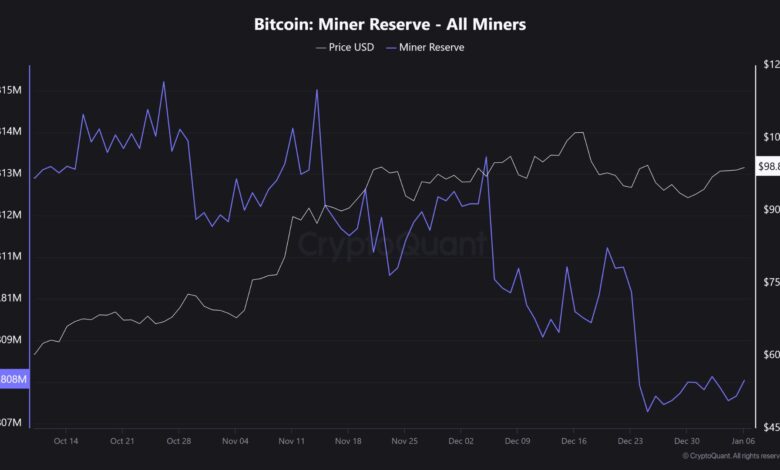
Bitcoin (BTC) has returned to the spotlight after a rare buy signal appeared across several on-chain indicators, fueling hopes that the world’s largest cryptocurrency may be preparing for another major move higher. Signals like this have historically appeared near important turning points in Bitcoin’s market cycle, which is why traders and long-term investors are paying close attention. Yet this time, the setup is more complicated. While technical and blockchain data point toward a bullish case, persistent miner selling is creating a meaningful headwind and raising questions about whether Bitcoin can sustain its recovery.
The cryptocurrency market often sends mixed messages. It is not unusual to see strong technical indicators suggesting higher prices while fundamental pressures temporarily weigh on sentiment. Miner activity is one of the most important of those pressures because miners are central to Bitcoin’s network and supply dynamics. When miners sell a large portion of their BTC holdings, they add supply to the market, which can slow upward momentum even when broader conditions remain favorable.
Recent on-chain readings have sparked debate among analysts. Some believe the current buy signal resembles earlier cycles that preceded powerful rallies, while others argue that continued miner distribution could delay Bitcoin’s next breakout. At the same time, institutional demand, spot Bitcoin ETF inflows, macroeconomic shifts, and improving investor sentiment continue to support the broader crypto market.
Understanding how these forces interact is essential for anyone following Bitcoin. Historical signals can be useful, but no indicator guarantees future performance. Traders and investors must evaluate technical trends, blockchain activity, miner behavior, and macroeconomic conditions together before drawing conclusions.
Understanding Bitcoin’s Rare Buy Signal
Every market cycle produces a few indicators that traders come to respect because of their historical reliability. Bitcoin’s latest rare buy signal has drawn widespread attention precisely because it has appeared only a limited number of times in the cryptocurrency’s history. On-chain indicators focus on blockchain activity rather than price alone. They measure wallet behavior, transaction flows, investor accumulation patterns, and long-term holding trends to identify periods when Bitcoin may be undervalued or entering a new accumulation phase.
In past cycles, similar buy signals have often appeared when fear dominated the market but underlying demand quietly strengthened. As selling pressure faded and long-term investors accumulated BTC, prices frequently recovered over the following months. Although history never repeats perfectly, these indicators remain valuable because they reflect real blockchain behavior rather than short-term speculation. That is why the current signal has become such an important topic among analysts and traders.
Why Miner Selling Matters
One of the biggest challenges facing Bitcoin right now is ongoing miner selling.
Bitcoin miners secure the network by validating transactions and earning newly minted BTC along with transaction fees. Running mining operations requires substantial spending on electricity, specialized hardware, maintenance, and infrastructure. Because of those costs, miners often sell part of their Bitcoin holdings to maintain cash flow. When miners sell more aggressively, additional BTC enters the market and increases available supply. If buying demand does not absorb that supply quickly enough, price momentum can weaken or stall.
Miner selling does not automatically mean bearish conditions are forming. In many cases, miners are simply managing expenses or rebalancing their balance sheets. Even so, unusually high levels of miner distribution often attract attention because they can influence short-term market direction.
Why Are Bitcoin Miners Selling?
Several factors help explain why Bitcoin miners continue reducing portions of their holdings.
Rising Operating Costs
Mining profitability depends heavily on electricity prices, hardware efficiency, and Bitcoin’s market value. When energy costs rise, many mining companies are forced to sell more BTC to cover daily expenses. In that environment, miners may prioritize liquidity and operational stability over long-term accumulation.
Post-Halving Economics
Following Bitcoin’s latest halving, block rewards were cut by 50%. While halvings have historically supported long-term price appreciation by reducing new supply issuance, they also place immediate pressure on miners by lowering their revenue. Many mining firms respond by selling more reserves while adjusting their business models to the new reward structure.
Corporate Financial Management
Large publicly traded mining companies often manage their Bitcoin reserves strategically. Selling part of their holdings can help reduce debt, fund expansion, purchase more efficient equipment, or strengthen balance sheets during uncertain market conditions. These decisions are not always bearish, but they can still create temporary pressure on Bitcoin’s price.
How the Buy Signal Compares with Previous Bitcoin Cycles
One reason analysts remain optimistic is that similar Bitcoin buy signals have historically appeared before major recoveries. In earlier market cycles, comparable on-chain metrics often flashed after long consolidation periods when pessimism was widespread. As long-term investors quietly accumulated BTC, sentiment gradually improved and stronger rallies eventually followed.
Historical comparisons suggest that these signals tend to work best when they align with improving macroeconomic conditions and rising institutional demand. That said, every cycle is different. Today’s market includes spot Bitcoin ETFs, greater institutional participation, evolving regulation, and a much larger market capitalization than in earlier years. As a result, historical patterns provide useful context, but they do not guarantee the same outcome.
Technical Analysis: Can Bitcoin Maintain Momentum?
From a technical perspective, Bitcoin continues to show encouraging signs despite intermittent selling pressure. The asset remains above several important moving averages, which suggests that the broader trend still favors buyers. At the same time, the Relative Strength Index (RSI) indicates that momentum is balanced rather than excessively overbought, leaving room for further upside if demand strengthens.
Trading volume is another key factor. Healthy rallies usually require consistent participation from buyers. When rising prices are supported by strong volume, it often signals genuine conviction rather than temporary speculation.
Support and resistance levels also matter. If Bitcoin can defend major support zones while gradually pushing through resistance, the bullish case becomes more convincing even with continued miner distribution. For now, the technical picture remains constructive, but confirmation is still needed.
On-Chain Metrics Continue Supporting Bitcoin
Beyond traditional chart analysis, several on-chain metrics continue to paint a positive picture for Bitcoin. Long-term holders remain remarkably resilient despite market volatility. Many wallets that have held BTC for extended periods continue to avoid significant selling, which suggests confidence in Bitcoin’s long-term outlook.
Exchange balances also provide useful insight. When investors move Bitcoin off exchanges and into private wallets, it often signals a preference for long-term holding rather than immediate selling. That behavior can reduce available supply and support price stability. Network activity, active addresses, transaction settlement, and wallet growth also continue to show healthy blockchain usage. These indicators suggest that Bitcoin’s underlying network remains strong even as miners continue to sell portions of their holdings.
Institutional Demand Remains a Bullish Factor
Institutional participation has transformed Bitcoin’s market structure over the past several years. Investment firms, hedge funds, pension managers, and asset managers increasingly view Bitcoin as an alternative asset that can provide diversification within a portfolio. The launch of spot Bitcoin ETFs has made it easier for traditional investors to gain exposure, which has expanded demand significantly.
Steady institutional inflows can help absorb some of the supply entering the market through miner selling. Unlike short-term traders, institutional investors often operate with multi-year time horizons, which can contribute to deeper liquidity and lower volatility over time. If institutional demand remains strong, Bitcoin may be better positioned to withstand temporary selling pressure from mining companies and continue building a stronger long-term trend.
Macroeconomic Conditions Could Influence Bitcoin
Bitcoin no longer trades in isolation from global financial markets. Interest rate expectations, inflation trends, central bank policy, employment data, and geopolitical developments all play a growing role in shaping cryptocurrency prices. When investors feel more comfortable taking risk, capital often flows toward assets like Bitcoin. When uncertainty rises, demand for cash and defensive assets tends to increase.
A supportive macroeconomic backdrop could reinforce Bitcoin’s bullish buy signal. However, unexpected economic shocks may temporarily outweigh favorable blockchain data. That is why macroeconomic monitoring remains essential for both traders and long-term investors.
Market Sentiment and Investor Psychology
Cryptocurrency markets are heavily influenced by investor sentiment. Positive news often encourages more buying as traders fear missing out on future gains. Negative headlines, on the other hand, can quickly reverse optimism and trigger sharp pullbacks.
Bitcoin’s rare buy signal has improved market confidence because similar signals have previously preceded strong recoveries. At the same time, awareness of ongoing miner selling has prevented excessive euphoria. That balance may actually benefit Bitcoin by reducing speculative overheating and allowing healthier accumulation. Professional investors usually combine sentiment analysis with technical indicators and blockchain data rather than relying on a single signal. In a market as volatile as crypto, that broader approach is often more effective.
Can Bitcoin Overcome Continued Miner Selling?
The central question is whether Bitcoin’s rare buy signal can overcome persistent miner distribution. Several factors support a positive outcome. Institutional accumulation appears stronger than in previous cycles, long-term holders continue to show confidence, and blockchain activity remains healthy. In addition, the reduced issuance that followed the Bitcoin halving may gradually offset some of the current miner selling.
If buying demand consistently exceeds miner distribution, Bitcoin could continue strengthening despite temporary supply increases. However, weaker trading volume or a sudden deterioration in macroeconomic conditions could delay the next major breakout. For that reason, patience remains important.
Risks Investors Should Consider
Despite the encouraging setup, Bitcoin still faces meaningful risks. Cryptocurrency markets remain highly volatile, and sharp corrections can occur even during long-term bull markets. Miner selling could continue longer than expected if operating costs remain elevated. Regulatory developments may also affect investor confidence across the digital asset market.
Macroeconomic uncertainty is another major variable. Unexpected inflation, aggressive monetary tightening, or geopolitical instability could weaken demand for risk assets. Because of these risks, investors should avoid relying on a single buy signal and instead evaluate multiple indicators before making financial decisions.
Long-Term Outlook for Bitcoin
Bitcoin’s long-term investment case remains supported by several powerful structural trends. Its fixed supply, growing institutional adoption, expanding blockchain infrastructure, and increasing global recognition continue to strengthen its position as the leading cryptocurrency. Each market cycle has brought in new participants while improving the overall maturity of the market.
Although volatility is inevitable, Bitcoin has historically recovered from major corrections and gone on to establish higher long-term valuations. If institutional demand continues to grow while miner selling gradually normalizes, Bitcoin could remain well positioned for future appreciation. Long-term investors usually focus more on adoption trends and network strength than on temporary price swings, and that perspective remains relevant here.
Expert Perspective on Bitcoin’s Current Position
Many market analysts believe Bitcoin is currently at an important crossroads. Rare on-chain buy signals have historically proven reliable, but miner selling introduces a variable that deserves close attention. Rather than seeing these developments as contradictory, experienced investors understand that markets often rise while absorbing temporary selling pressure.
If Bitcoin continues attracting institutional capital and maintaining healthy blockchain fundamentals, the current buy signal may ultimately prove stronger than miner distribution. Even so, prudent risk management remains essential because no technical or on-chain indicator can guarantee future returns.
Conclusion
Bitcoin’s latest rare buy signal has renewed optimism across the cryptocurrency market and offered encouraging evidence that long-term bullish momentum may be building again. Historical precedent suggests that signals like this deserve attention, especially when they are supported by improving on-chain data, resilient long-term holders, and rising institutional participation.
At the same time, miner selling remains a real short-term challenge. As mining companies continue liquidating portions of their Bitcoin reserves to manage operating costs and adapt to post-halving economics, additional supply may temporarily slow price appreciation.
Ultimately, Bitcoin’s next move will depend on whether market demand continues to outpace miner distribution. If institutional investment, healthy blockchain activity, and favorable macroeconomic conditions persist, Bitcoin may be able to overcome this hurdle and continue its long-term upward trend.
For traders, the coming weeks may provide important confirmation about the strength of the current buy signal. For long-term investors, Bitcoin’s broader adoption story remains the more important factor, suggesting that temporary selling pressure may matter less than the cryptocurrency’s ongoing evolution as a global digital asset.